
Facing terminal cancer, the Carnegie Mellon professor turned one final talk into a message about dreams, kindness, and time.
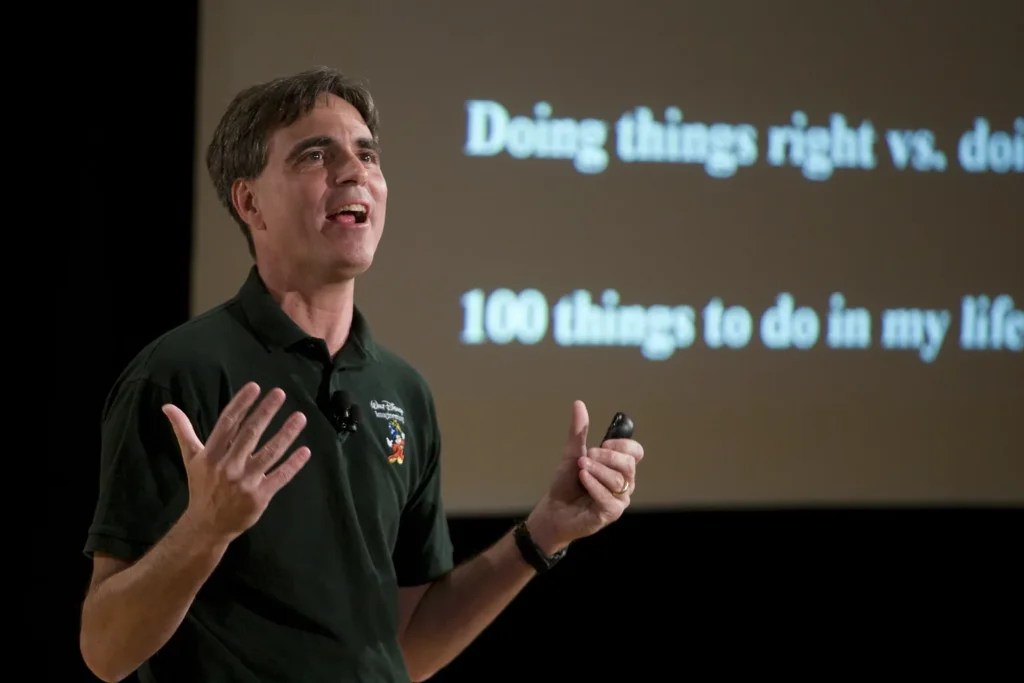
A man walks onto a stage at Carnegie Mellon. He’s got tumors the size of tennis balls in his liver. Three to six months left. Three kids at home under six who won’t remember him. And he starts the lecture doing one-armed push-ups to prove he’s still got it.
That’s Randy Pausch, a man choosing joy when he had every right to despair, delivering the popular “The Last Lecture.” That talk would later become one of the most widely shared lectures on the internet, and eventually it was expanded into the book The Last Lecture, written with Jeffrey Zaslow.
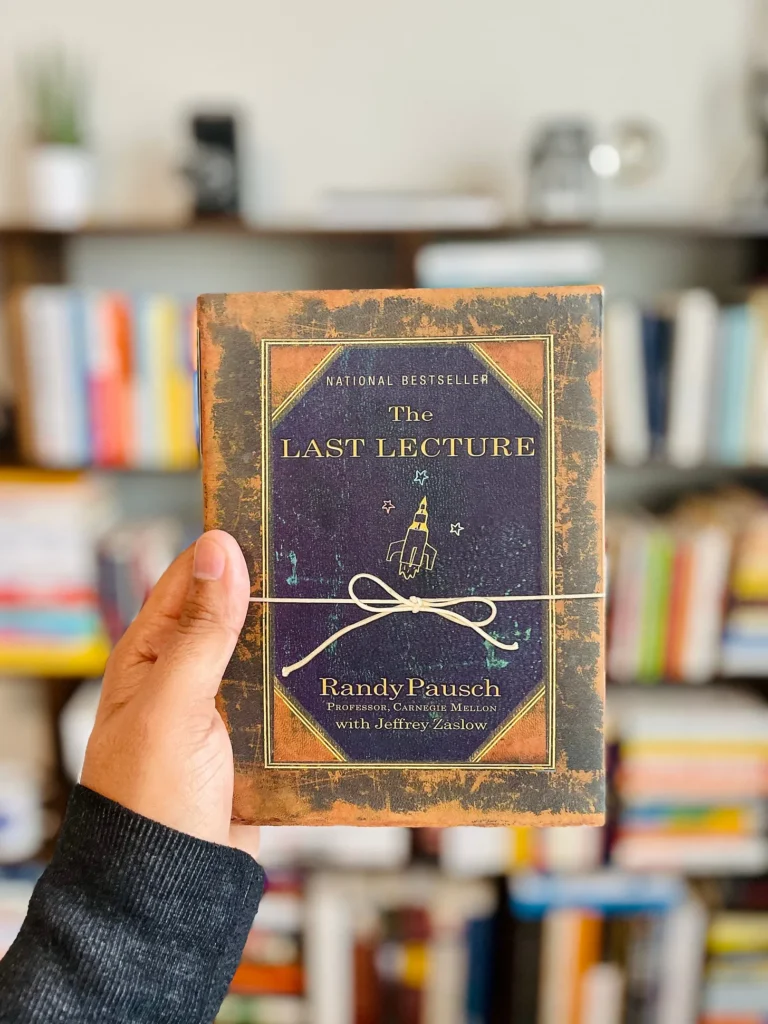
I watched the lecture before I read the book. Kept forgetting he was dying. That’s what wrecked me. For minutes at a time, I’d just be watching this guy tell funny stories about working for Disney and meeting Captain Kirk. And then I’d remember. Oh. Right. He’s dead now. Has been for over fifteen years. And those three kids are adults now, living with a father-shaped hole he tried to fill with words.
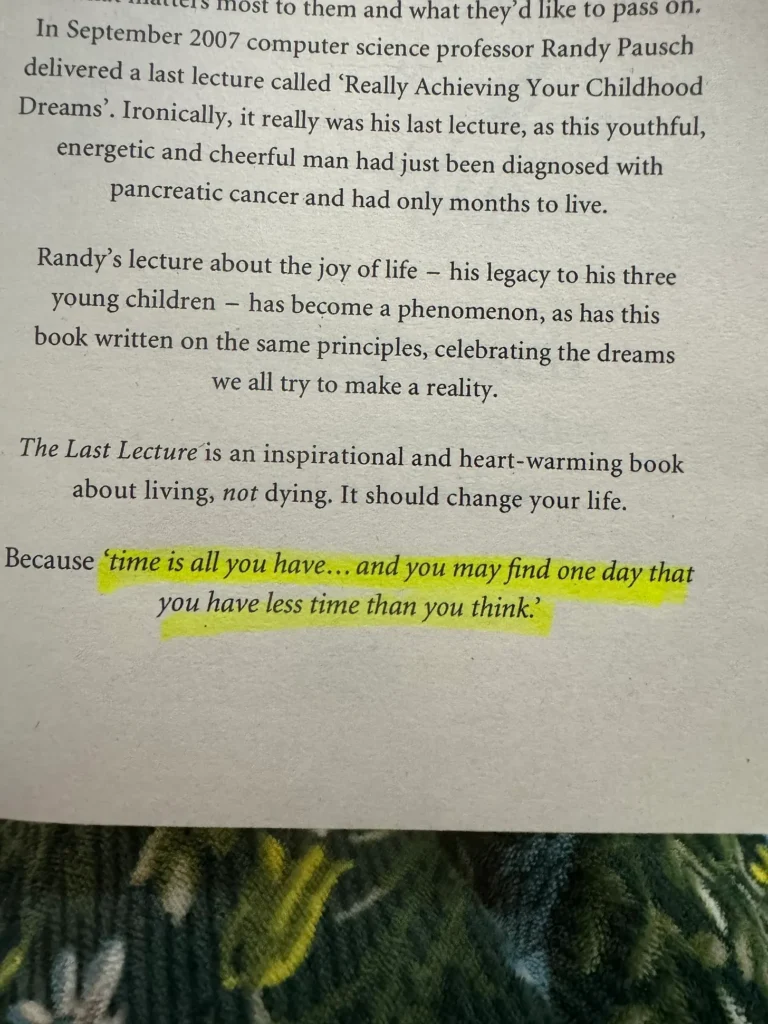
Carnegie Mellon has this tradition called “The Last Lecture,” where professors imagine it’s their final chance to impart wisdom. For Randy, it wasn’t imagination. He’d just been diagnosed with pancreatic cancer. Terminal. His wife Jai didn’t want him to give the lecture. She was eight months pregnant, watching her husband die, and he wanted to spend his dwindling energy on a talk that wouldn’t cure him, wouldn’t stop what was coming.
But Randy wasn’t giving the lecture for the audience. He was giving it for Dylan, Logan, and Chloe. For the people his children would become when he was just a name and some old videos. A father trying to parent children he’d never meet again.
Dreams Were Never the Point
The book starts with his childhood dreams. Play in the NFL. Work for Disney Imagineering. Experience zero gravity. Write an article for the World Book Encyclopedia. Ridiculous, impossible dreams for a nerdy kid from Baltimore.
And he achieved almost all of them. He didn’t literally play in the NFL, that’s the thing. But he played youth football and learned everything that mattered: teamwork, getting back up, taking criticism. He actually worked for Disney. Actually floated in zero gravity with NASA. Actually wrote that encyclopedia entry.
But Randy did not recount all these to brag. He’s showing his kids that dreams are possible if you work for them. That brick walls exist to show you how badly you want something.
The Chapter That Broke Me
There’s a chapter where he talks about what will happen after he’s gone. How Jai will be a widow at 41 with three small kids. How she’ll probably remarry. How some other man will teach his son to throw a ball, walk his daughters down the aisle.
And he says he hopes she finds that person. Hopes his kids have a father figure even if it can’t be him.
I cried reading that. The selflessness of it. Most of us can barely handle our partners having lunch with an ex. Randy was planning for his wife to love someone else and raising his kids to accept that love.
The Clock You Can Feel in the Sentences
The book is messy in places. Some chapters are just about two pages. You can tell it was written in a hurry by someone who didn’t have the luxury of revision time. But that’s what makes it real. You can feel the clock ticking.
Work hard. Dream big. Be kind. Help others. Make your time count. Nothing revolutionary. But hearing it from a man with months left hits different. Makes you realize these aren’t clichés. These are the things that matter when you’re running out of time.
What He Left Behind
Randy died July 25, 2008. Ten months after giving that lecture. His daughter Chloe has no memory of him. Dylan and Logan have fragments, maybe. They’re in their twenties now. Old enough to have watched the lecture, read the book, seen who their father was even if they can’t remember him being.
We all know that’s not enough. Words on a page can never substitute for a dad being there. But it’s what they have. What Randy could give them. And he gave it knowing it would never be enough but doing it anyway because what else could he do?
What It Asked of Me
Every time I think of Randy, I start thinking about the dreams I’ve been postponing. My own people I’ve been taking for granted. Randy had forty-seven years. Not enough. But he didn’t waste them. He filled them with joy and work and love and this stubborn insistence that you get to choose how you respond to the cards you’re dealt.
And when he got dealt the worst hand possible, he chose gratitude. Chose to spend his last months not mourning what he’d miss but celebrating what he’d had.
Randy Pausch is gone. But his lecture is still there. His book is still there. His kids are still there, carrying pieces of him they don’t remember but somehow know.
And the rest of us get to keep learning from a man who figured out what mattered only when there was almost no time left.
We still have time. Not forever. But more than Randy had.
The question is: what are we doing with it?
If this piece stayed with you, share it with someone who needs to read it today. And if you haven’t watched the lecture yet, go watch it. Clear an hour. You won’t regret it.
I’ll leave the light on for you!