
On Khaled Hosseini’s trilogy, the choices we can’t undo, and the uncomfortable truth that family is both the wound and the bandage.
I’ve read all three of Khaled Hosseini’s books multiple times. The Kite Runner, A Thousand Splendid Suns, And the Mountains Echoed. I know how they end. I know which pages will wreck me. I know exactly where the knife goes in.
And I keep coming back. Not because I’m a masochist, I am not. I come back because he writes about things most of us spend our lives trying not to feel. Guilt that doesn’t wash off. Love that survives even when it shouldn’t. The particular kind of grief that comes from knowing you can never undo what’s been done.
He writes about people who carry the weight of their choices like stones in their pockets, and I keep reading because I recognize the weight. Because I’m carrying some too.
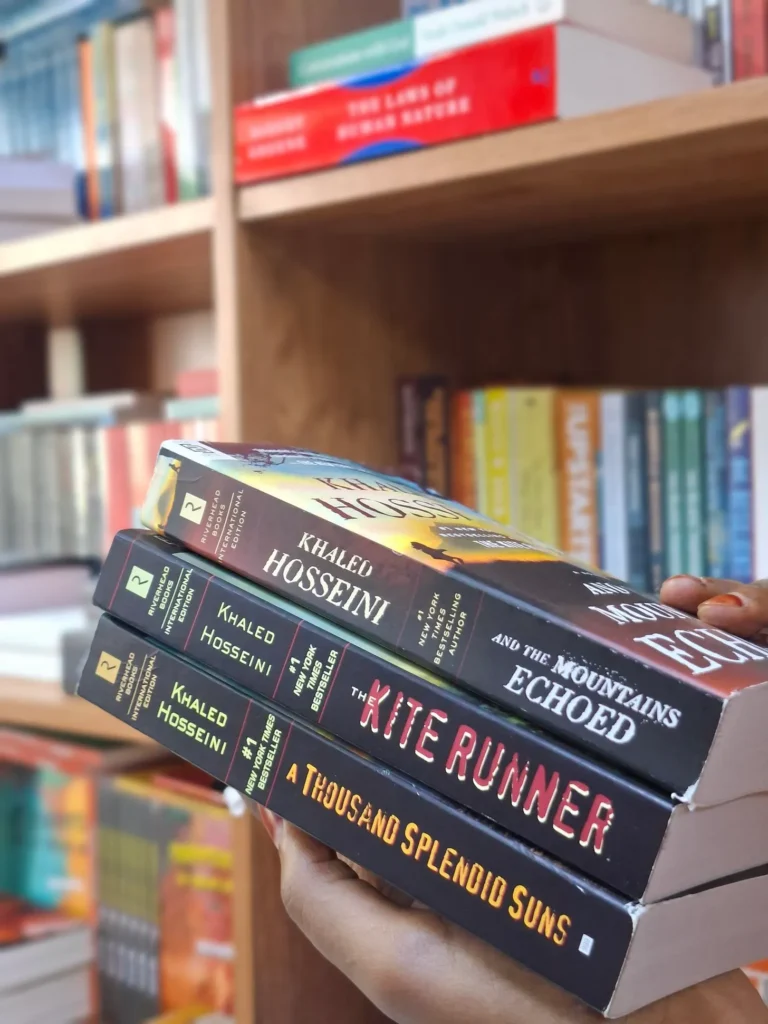
Why I Keep Returning
He understands that some betrayals live in your body forever.
There’s a scene in The Kite Runner that I think about more than I want to admit. Amir watches Hassan get hurt and does nothing. Just stands there, frozen. And that moment, that singular act of cowardice, becomes the hinge his entire life swings on.
The rest of the book is him trying to outrun it. Trying to build a new life in America where no one knows what he did. Trying to bury it so deep that maybe, if he never speaks of it, it will stop being true.
But the body keeps the score. The guilt follows him across continents, through decades, into his marriage, into his sleep. It’s there when he’s happy. It’s there when he’s safe. It’s there because some things you do don’t just happen once; they keep happening inside you forever.
I’ve never witnessed what Amir witnessed. But I understand living with a choice you can’t undo. A moment when you were less than you needed to be, and someone else paid the price. The way it calcifies inside you, becomes part of your architecture, shapes every room you build around it.
There is no easy redemption here. Amir doesn’t get to erase what he did. He just gets to choose what he does next. And that, somehow, is more honest than forgiveness. Because some things don’t get forgiven, they just get carried differently.
He writes about family like the complicated, unfair, irreplaceable thing it is.
And the Mountains Echoed is Hosseini’s most sprawling book, and also his most honest about what family actually means. It’s about a brother and sister separated as children. About the choices made in desperation that ripple across generations. About how the people who love you can also be the ones who hurt you most.
What I love about this book is that Hosseini refuses to simplify. He doesn’t give you clear villains. He gives you people making impossible choices with insufficient options. A father who sells his daughter because he can’t feed her. A woman who raises a child that isn’t hers and loves her anyway. A brother who spends his life searching for a sister who may not want to be found.
Family, in Hosseini’s world, is a knot you can’t untangle, and not a safe harbor. It’s the people who formed you and scarred you and loved you and left you, often all at once. It’s the place you’re always trying to return to, even when returning means reopening wounds that never quite healed.
I have family I love and family I’ve had to leave behind. I have people who raised me and people who hurt me, and sometimes they’re the same people. Hosseini doesn’t ask me to choose between love and anger. He shows me I can hold both. That family is allowed to be messy and painful and still worth grieving when it’s gone.
He Understands Complicity
This might be the most important thing Hosseini does, the thing that makes his books impossible to put down or forget: He makes you complicit.
When Amir watches Hassan get hurt and does nothing, you understand why. You see his fear, his weakness, his desperate need to stay in his father’s good graces. And part of you thinks: I might have done the same thing. I might have been that coward.
When the father sells Pari, you see his other children starving. You see his desperation. You see the impossible choice: which child do you save? And you think: what would I have done? What would I have sacrificed to keep my family alive?
When Nabi orchestrates the sale, you see him trying to please the woman he loves. Trying to give her what she wants. Trying to convince himself he’s saving a child from poverty. And you recognize that voice, the one that turns selfishness into righteousness, that makes cruelty look like kindness.
Hosseini doesn’t let you stand outside the story judging. He pulls you in. Makes you see through the eyes of people making terrible choices. Makes you understand, not agree with, but understand, why they do what they do.
And that understanding is uncomfortable. Because it means you can’t dismiss them as monsters. Can’t distance yourself from their failures. Have to sit with the possibility that you might be capable of the same betrayals, the same cowardice, the same moral compromises.
That’s what great literature does, right? It doesn’t let you off the hook. It implicates you in the human condition
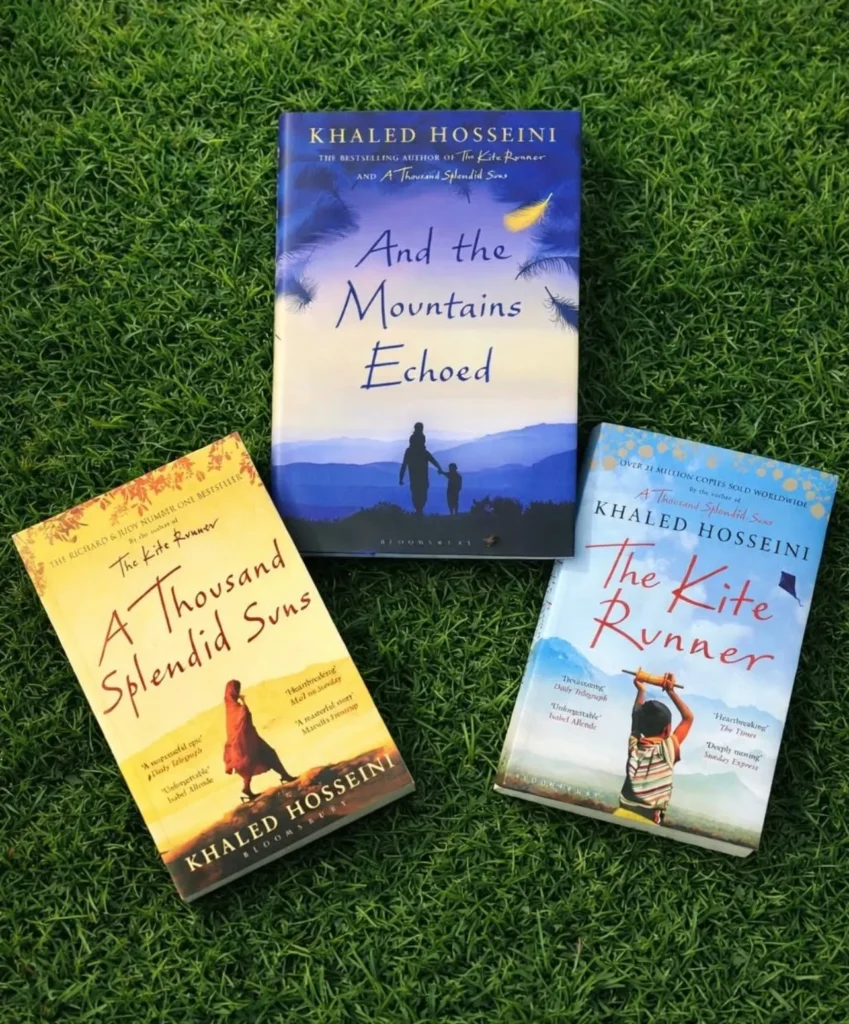
If you’ve never read Khaled Hosseini, start anywhere. The Kite Runner will devastate you. A Thousand Splendid Suns will break you open. And the Mountains Echoed will remind you that family is both the wound and the bandage.
Khaled reminds me why I read fiction. Why stories matter. Why sometimes you need to spend time with characters who are struggling but haven’t given up.
So yes. I’ve read all his books. And I’ll read them again. But I won’t read them because I’m looking for something new. I will because I’m trying to remember something true: about what it means to fail at being brave and still have to wake up tomorrow and try again.
I’ll leave the light on for you!