
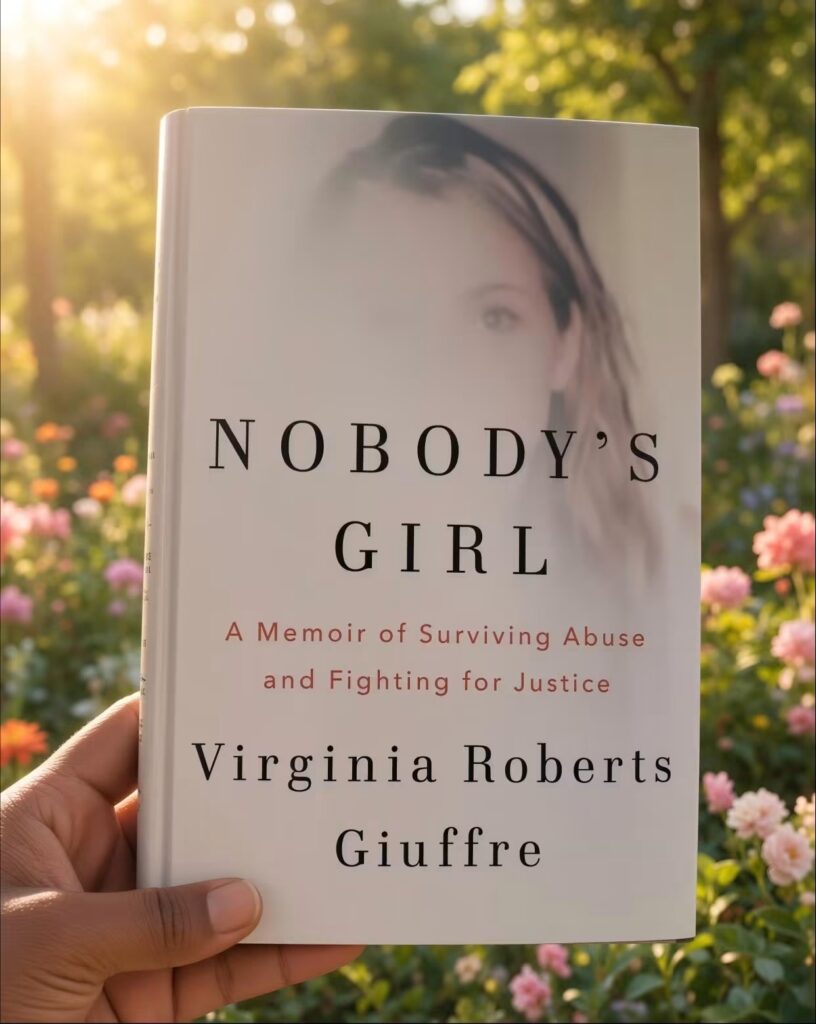
I finished this book angry. I am still angry. I think I am supposed to be.
Virginia Roberts Giuffre died in April 2025, at forty-one, before this book was published. She left it behind and said, without any ambiguity, that she wanted it published anyway. So the voice speaking to you across every page is a voice that no longer exists in the world and that fact alone makes the reading of it a kind of moral obligation. She did her part. She wrote it down. She made sure it survived her. The least any of us can do is not look away from what she left.
And what she left will make you furious. It should.
Here is what the tabloids reduced to a photograph: a teenage girl in a pink top, a man’s hand on her waist. Here is what that photograph actually was, in Virginia’s own words, told in full for the first time.
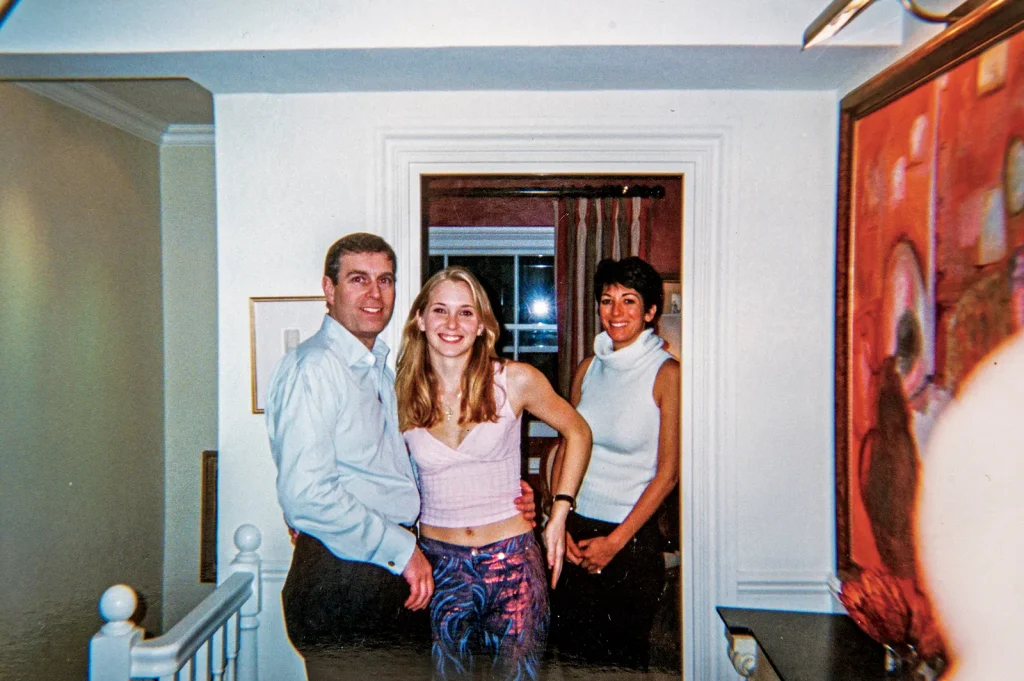
A girl abused starting around the age of seven, by the people who were supposed to protect her. A teenager working at Mar-a-Lago when Ghislaine Maxwell found her – because that is how it works, they find the already-wounded ones. A young woman groomed, trafficked, and, in her own devastating phrase, lent out to scores of wealthy, powerful people. Choked, battered and bloodied. A girl who believed, for years, that she would die a sex slave in the 21st century of all centuries!
And the men. The endless, faceless, powerful men who used her and went home to their reputations and their titles and their comfortable lives, protected by wealth and institutions that decided, again and again, that a trafficked girl’s word was worth less than a powerful man’s convenience.
That’s the part I can’t get past. How many people knew, or looked away, or actively helped bury it. How much machinery exists, still, to protect the powerful and discard the girl.
And personally, what makes this book more than a catalog of horrors – and her collaborator Amy Wallace said this exactly – is that it is the story of a woman who was terribly abused as a child, escaped valiantly, built a family against all odds, and then did the almost unimaginable thing.
She fought back.
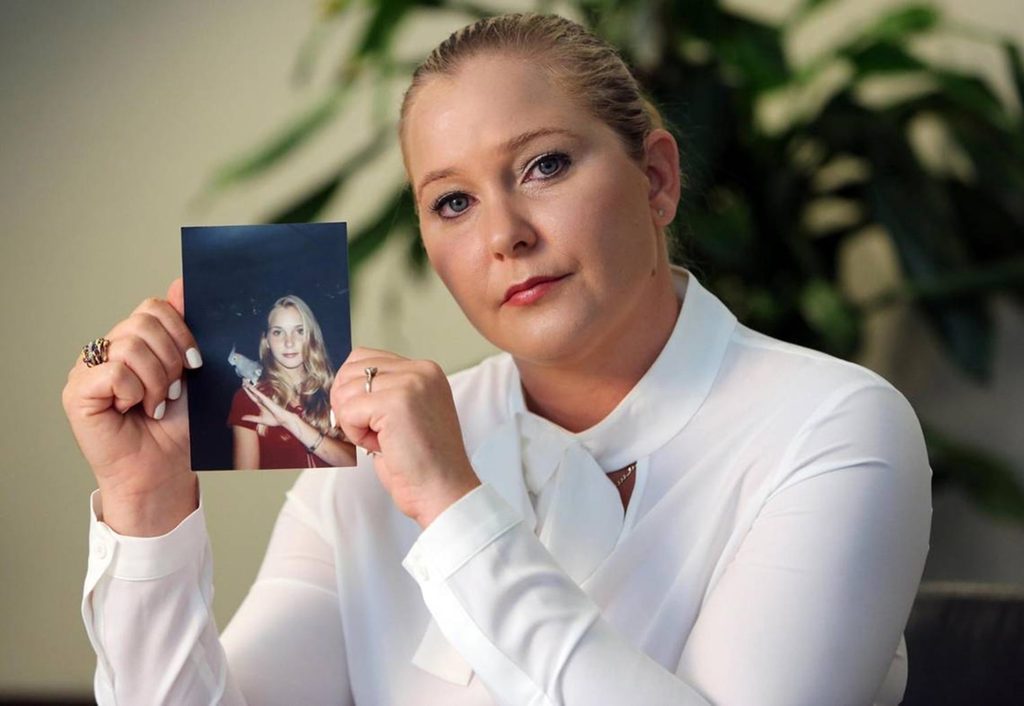
She was the first survivor to come out publicly against Epstein. The first to put her real name and her real face to it, knowing exactly what that would cost her, knowing the scrutiny and the doubt and the vicious machinery that would come for her. Her decision to speak helped send both Epstein and Maxwell toward the justice they’d evaded for years. Her photograph brought down a prince.
She did that. A girl the world decided was nobody. She reached up and pulled down men who thought themselves untouchable.
I want to be honest about what reading this is like. The early chapters, the childhood abuse, are genuinely hard to endure. Many readers I know say they had to put it down and come back. Do that if you need to. Take the rests. But finish it.
Finish it because Virginia Roberts Giuffre finished it, under a weight most of us will never comprehend, and asked us to witness it. Finish it because the names in Epstein’s world are still protected, the files still fought over, the powerful still counting on our short attention spans and our discomfort to let it all quietly fade.
Don’t let it fade. That’s what the anger is *for.*
She called herself Nobody’s Girl. The cruelest, truest title imaginable – a girl the powerful treated as nobody, as disposable, as beneath the protection everyone else takes for granted.
But she was not nobody. She was the one who brought them down.
Read her book and keep demanding the truth she died trying to tell.