
The heartbreaking “Math” of ‘When Breath Becomes Air’ and why we should stop playing it safe.
I find myself returning to this photograph again and again. Paul Kalanithi, forty pounds lighter than he was before cancer, skeletal and exhausted, cradling his newborn daughter in hands that once performed brain surgery. They are both breathing. One breath is brand new, learning the rhythm of the world. The other is measured, finite, already aware of its approaching silence.
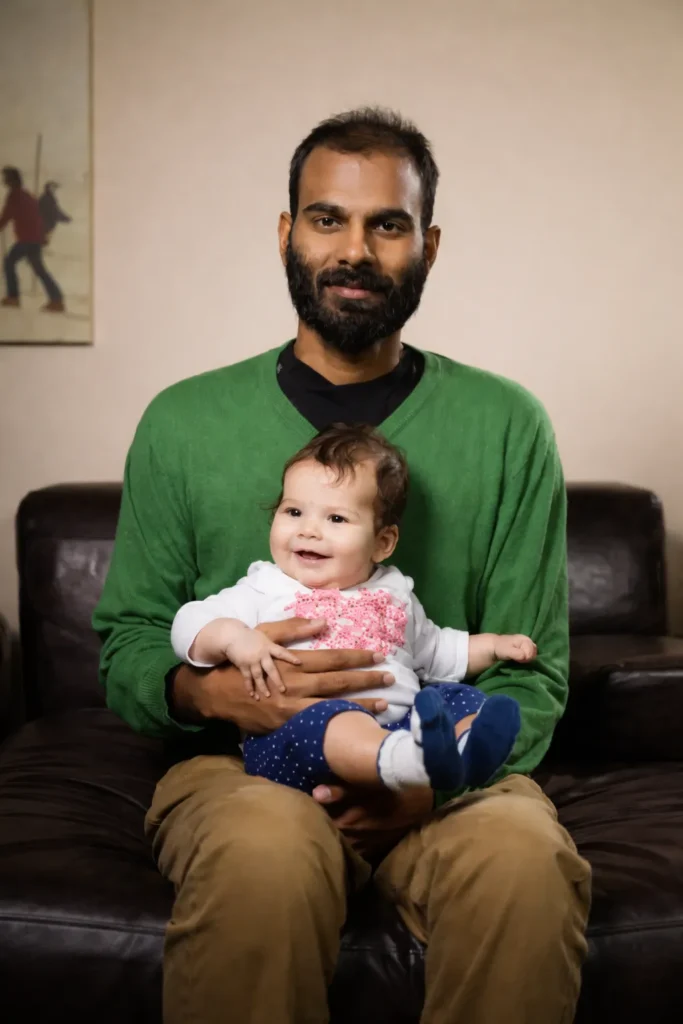
You see, Elizabeth Acadia Kalanithi, Cady, was born on July 4, 2014. Three days after Paul got out of the hospital, following weeks of brutal treatment. Stage IV metastatic lung cancer. He was thirty-seven. A neurosurgeon at Stanford. Had never smoked a cigarette in his life.
Eight months. That’s how long he had with her. Eight months between holding her for the first time and taking his last breath on a Monday morning in March 2015.
I keep staring at this photo because I’m trying to understand the math of it. How you make the decision to have a baby when you’re dying. How you choose to create a life you know you won’t get to see unfold. How you hold your daughter knowing she won’t remember holding you back.
Paul and Lucy had been together ten years. Met at Yale Medical School. Got married. Started their residencies, Paul at Stanford, Lucy at UCSF, with that unspoken agreement that someday, when the training was done, when life was less chaotic, they’d start a family.
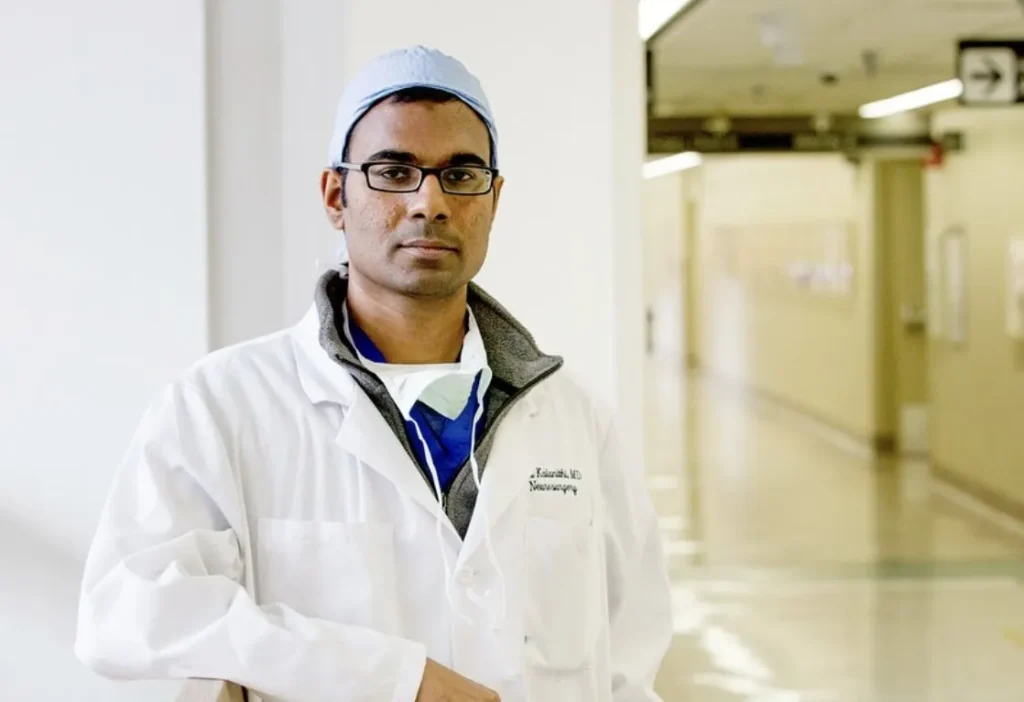
And then the diagnosis came and turned “someday” into a concept that might not exist. Lucy considered how having a child would make his death more painful. Paul said they should do it anyway.
I had to sit with that for days. Because what Paul understood, what he was trying to tell Lucy, tell us, tell anyone listening, is that life isn’t about avoiding suffering. It’s about creating meaning. And meaning doesn’t come from playing it safe. It comes from loving hard, from choosing connection even when you know exactly how it ends.
So they decided. Yes. A baby. Now. While there was still time.

Cady was born three days after Paul left the hospital. He could barely hold his head up. Could barely read. His body was waging war against itself and losing. And then Lucy went into labor and suddenly none of that mattered because there she was. This tiny human. This impossible gift. This person he’d spend every remaining day loving without ever seeing her grow up.
He wrote about holding her, about how she gave him a joy he’d never known in all his prior years. A joy that didn’t hunger for more. That just rested. Satisfied.
I don’t know whether to weep or rage when I think about that. A dying man holding his newborn daughter, knowing he’ll never see her first day of school. Never teach her to ride a bike. Never walk her down an aisle. Never meet the person she becomes.
Here’s what Paul did in those last two years while fighting cancer, while raising an infant, while his body betrayed him: He wrote. He wrote When Breath Becomes Air. The book structured in two parts—before cancer, after cancer. Asking the questions we’re too scared to voice: What makes life worth living in the face of death? What do you do when the future is no longer a ladder but a flat, endless now?
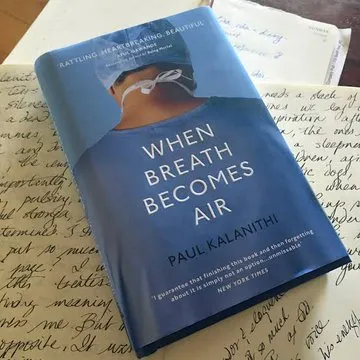
He doesn’t give answers. He can’t. There aren’t any. What he gives instead is his struggle. His honesty. His refusal to look away from the hardest truths.
Paul didn’t finish the book. He died while working on it. Lucy had to shepherd it to publication. Had to write the epilogue explaining what happened in those final months. How Paul faced death with the same fierce intentionality he brought to everything else.
Cady is in sixth grade now. A funny kid, Lucy calls her. She visits her father’s grave and doesn’t think of it as sad. Just as where he is. She has her own relationship with his memory, separate from her mother’s grief. She knows him through stories, through photographs like this one, through the book he wrote while holding her with one hand and fighting death with the other.
Paul used the remainder of his life to show us that you don’t get to choose how much time you have. You only get to choose what you do with it. He chose to be a father. Even if only for eight months. Even if it meant Cady would grow up without him. Even if it meant Lucy would have to raise their daughter alone.
He was thirty-seven years old when he died, March 9, 2015. He left behind a wife, a daughter, and a question that still haunts me: If you knew your time was ending, what would you choose? What would matter enough to do anyway, knowing you wouldn’t see how it turned out?
I think I know Paul’s answer. I see it in this photograph. In the way he holds his daughter like she’s both fragile and eternal. Like he’s memorizing the weight of her. Like he’s trying to pack a lifetime of love into arms that are already letting go.
That’s his answer. That’s all of our answers, if we’re brave enough to admit it.
Love. Just love. Even when you know how it ends.
I don’t know if I’ll live differently because I read Paul’s book. I hope I will. I’m trying.
But I know this: I’ll never forget what Paul taught me. That we don’t get to choose how much time we have. We only get to choose what we do with it.
And that every single breath, this one, the next one, all of them, is something that could become air. Could become memory. Could become the only thing that matters.
I’ll leave the light on for you!